
CubeSmart – 233 Mill Street
Vienna, Virginia
QUICK FACTS
Client: Tenacity Group
Market: Commercial
Size: 125,000 gsf
Services: Architecture, Interior Design
Photographer: Ron Blunt
Project Team: Winstanley Architects & Planners
Vienna, Virginia’s Windover Heights Historic District, affectionately known as “The Hill,” features 47 historic properties nestled among winding streets, ancient trees, and lush gardens. This neighborhood reflects earlier farming patterns and architectural styles that embody Vienna’s rich past. Just a short walk away lies Church Street, another vibrant, pedestrian-friendly historic district. Anchored by the Freeman Store and Museum—a Civil War-era building that once served as a general store, post office, and hospital—the district is home to boutique shops, eateries, and cultural institutions. These areas reflect Vienna’s deep commitment to preserving its identity and creating meaningful connections between the past and the present.
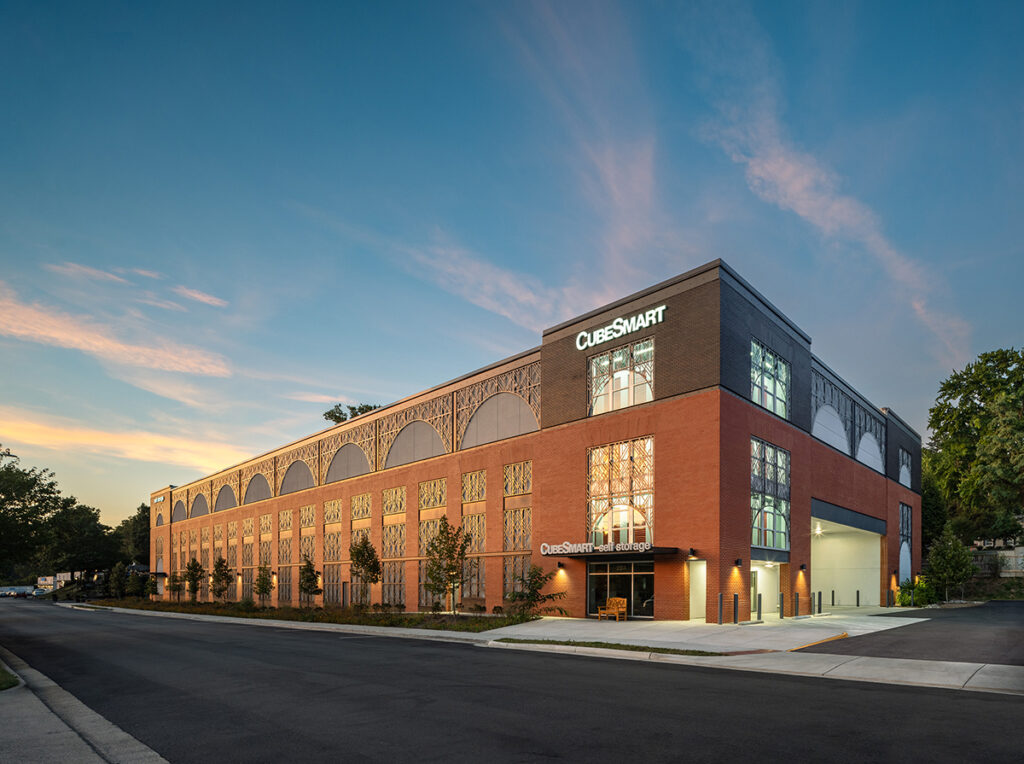
In this context, CubeSmart proposed a new self-storage facility at 223 Mill Street NE, just off Maple Avenue and near the existing CubeSmart location at 300 Mill Street. The plan called for a four-story, 125,000-square-foot structure to accommodate rising demand for secure, climate-controlled storage in the area. However, given the site’s close proximity to Vienna’s historic neighborhoods, the Town of Vienna’s Board of Architectural Review (BAR)—a regulatory body tasked with maintaining the town’s architectural integrity—raised concerns about how the new development would relate visually and culturally to its surroundings.
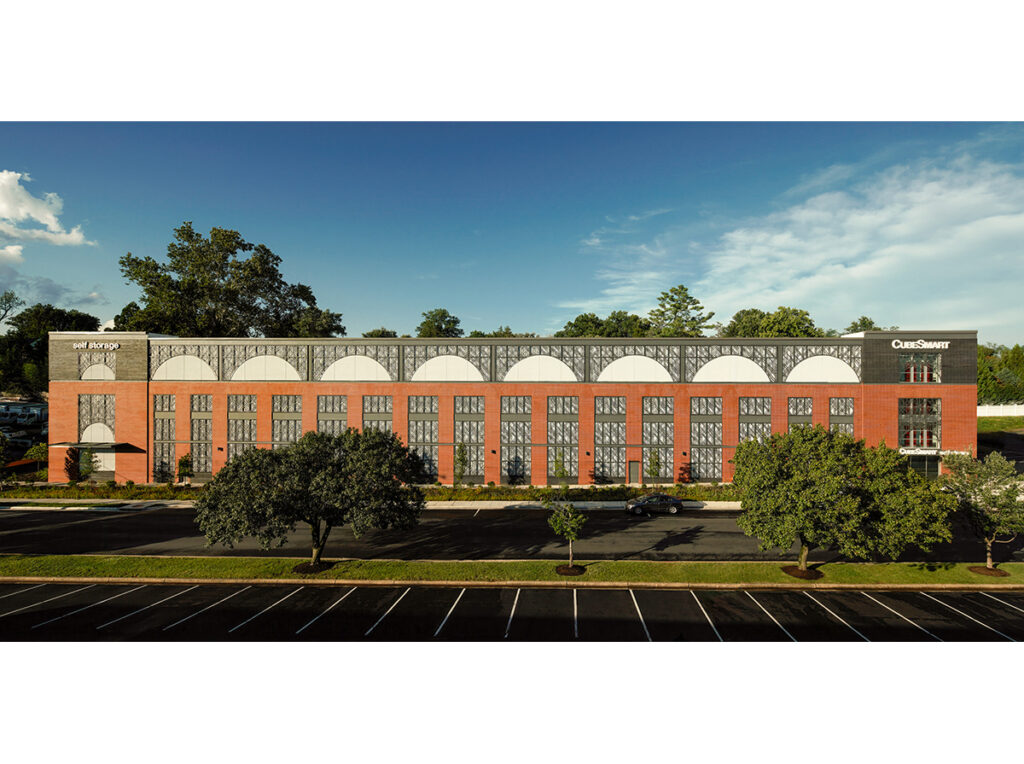
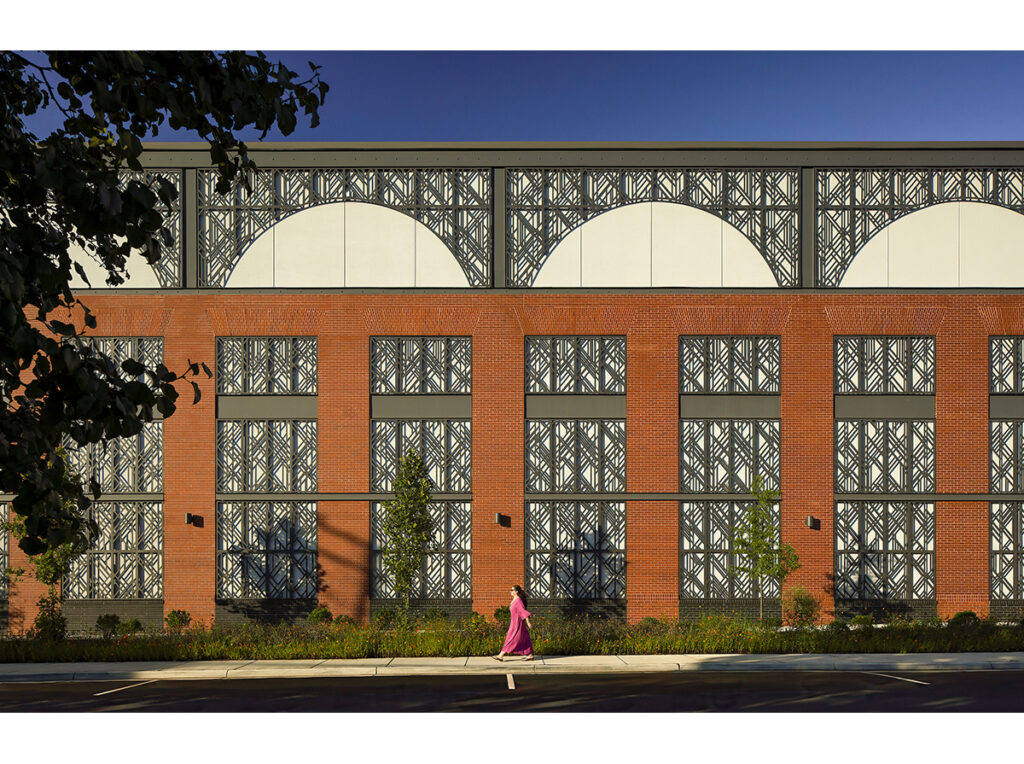
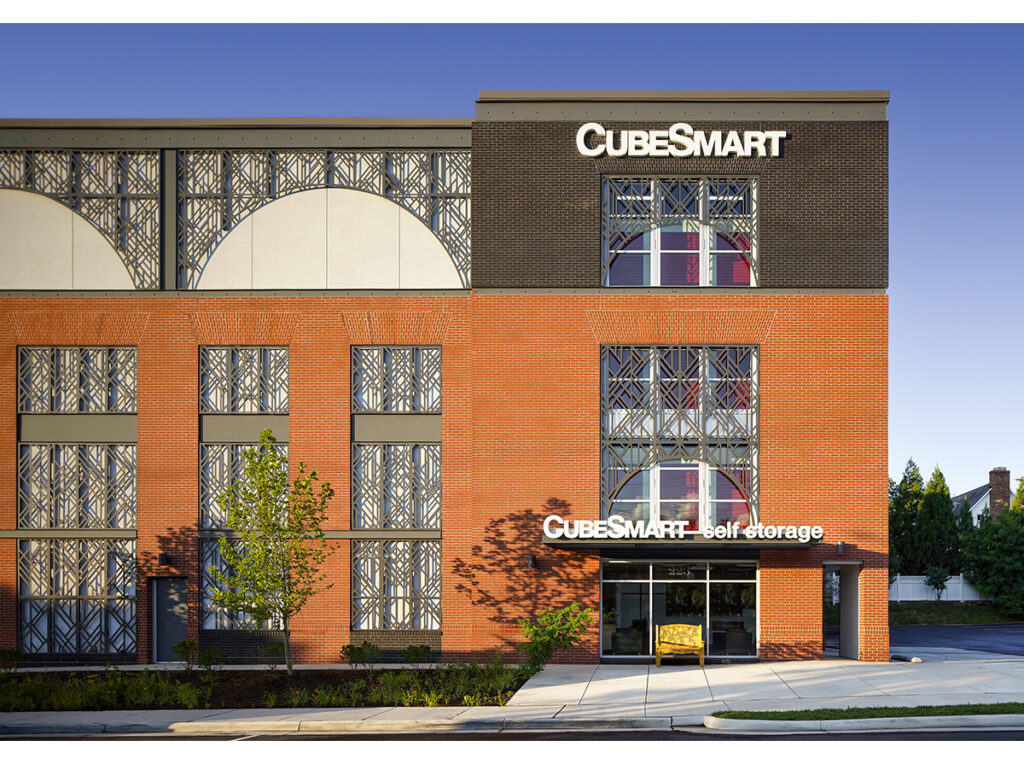
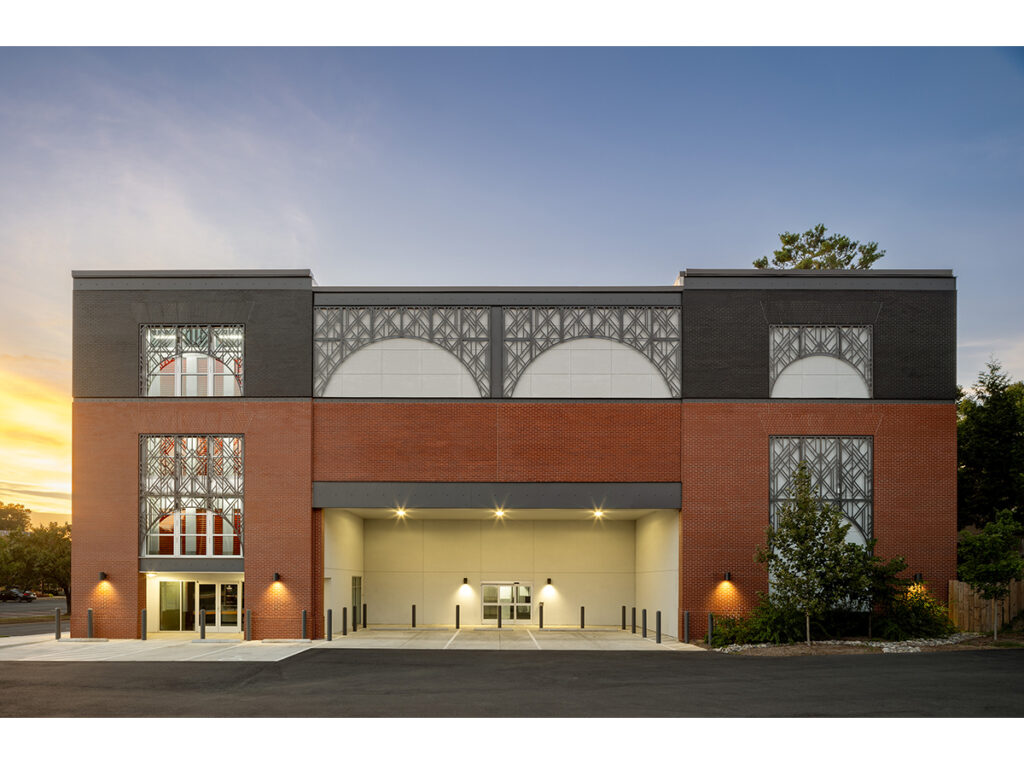
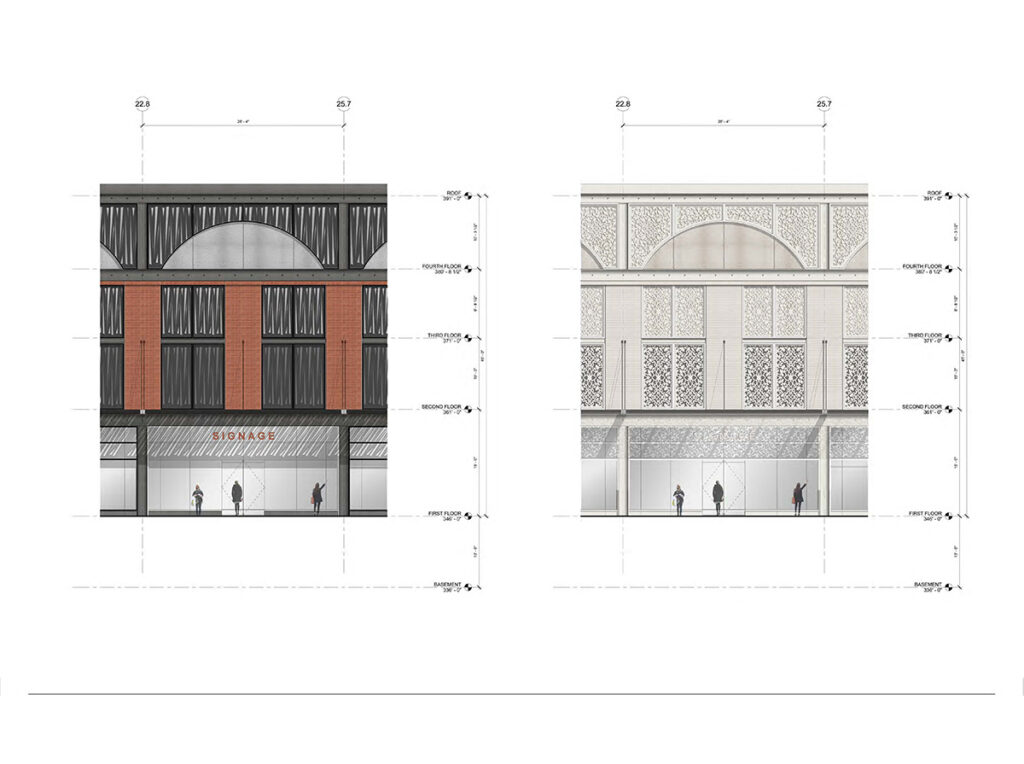
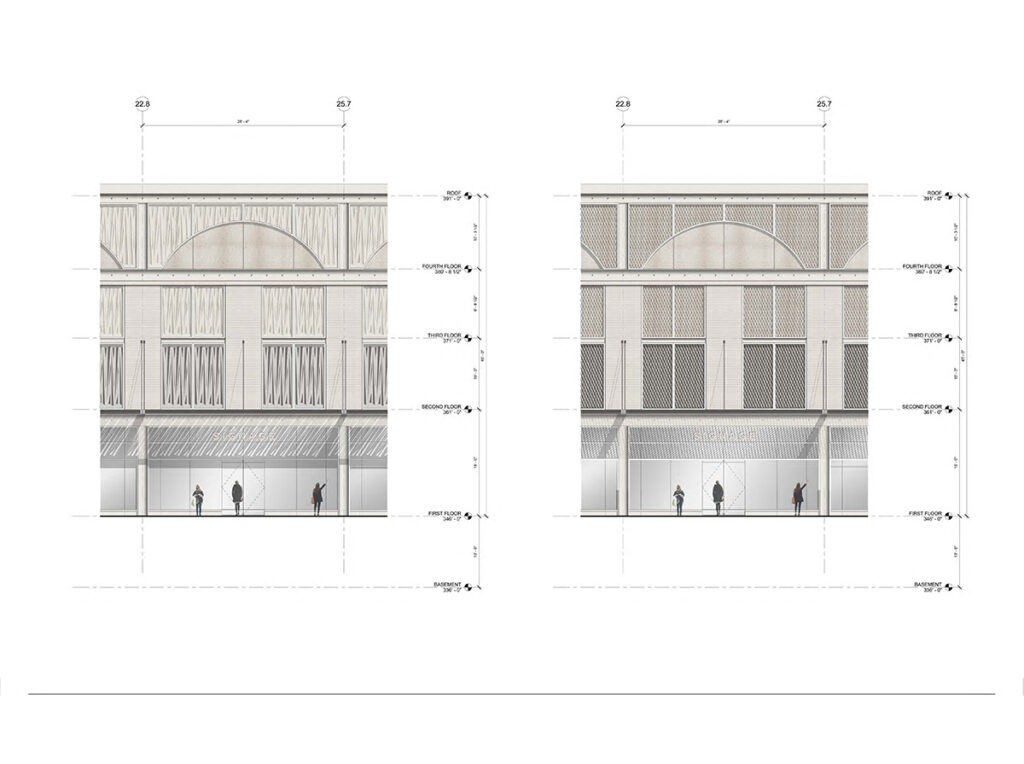
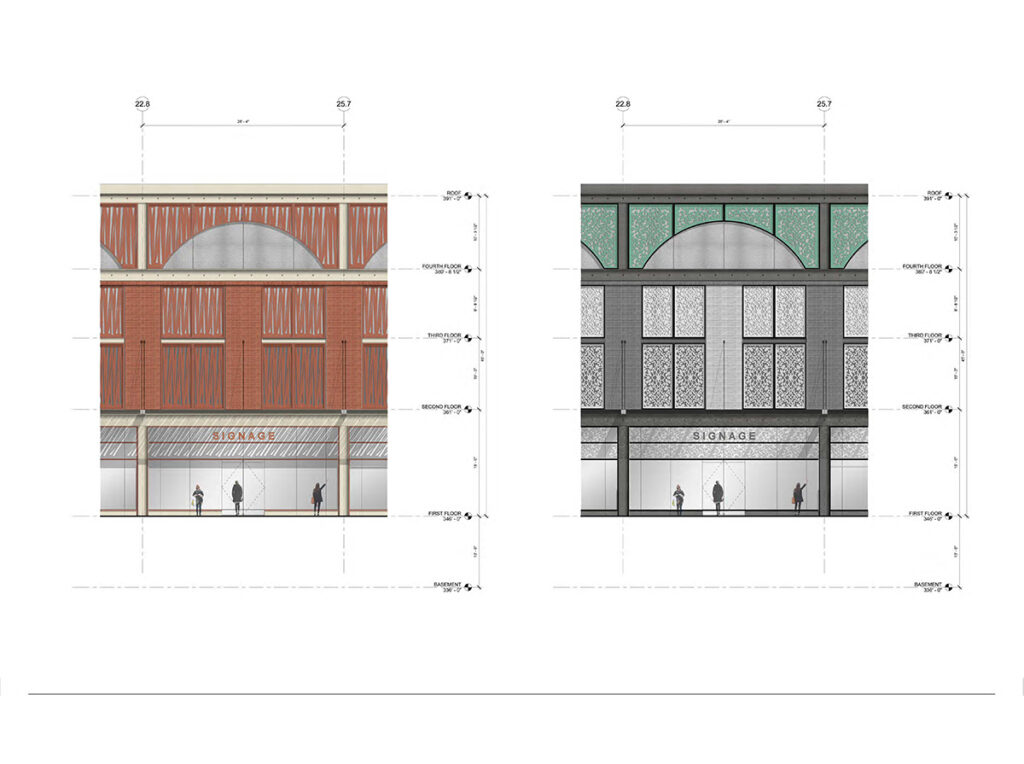
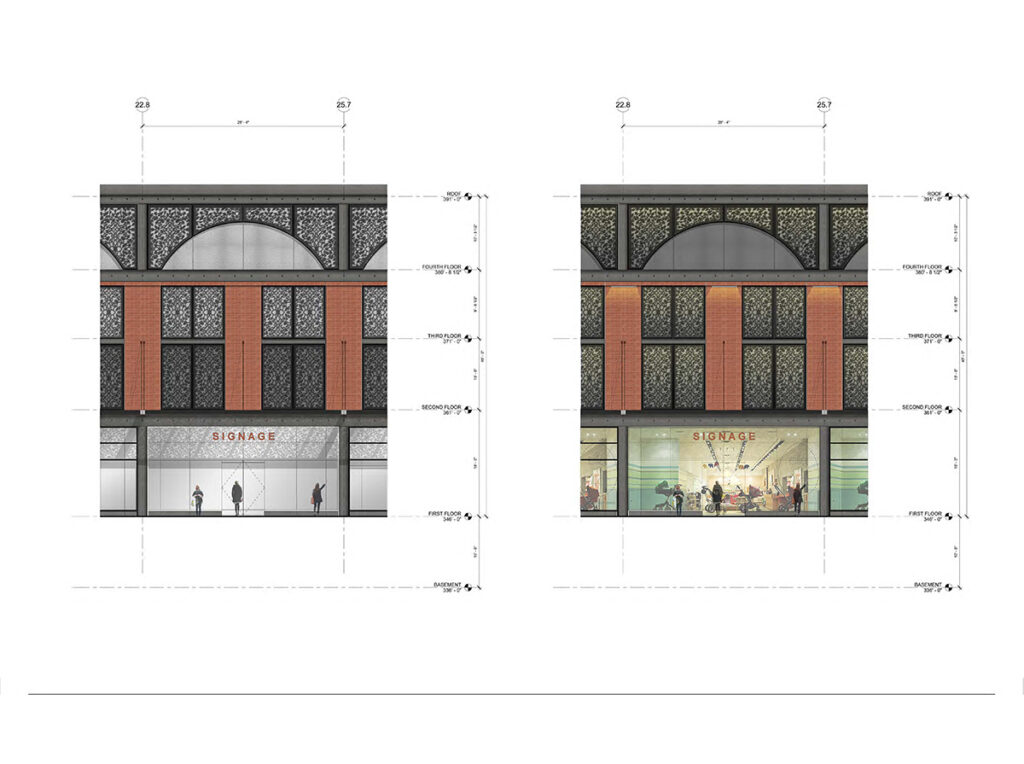
To address these concerns, Winstanley Architects & Planners was engaged to design a solution that would be context-sensitive and visually compatible with the character of Vienna. The design concept centers on a reinterpretation of tracery, a decorative structural element historically used in Gothic architecture to support stained glass windows. In the CubeSmart project, this motif is transformed: delicate metal screens are mounted in front of solid wall surfaces to suggest the presence of windows. These modern tracery elements provide rhythm and ornament, softening the building’s scale and massing, and helping it harmonize with the surrounding neighborhood’s finer architectural grain.
Though the tracery no longer serves a structural function, it plays a powerful visual and contextual role. It introduces shadow, texture, and depth to the façade, offering a refined yet utilitarian aesthetic that both honors and modernizes traditional architectural forms. The result is a building that respects its historical context while embracing its contemporary purpose.
The Vienna CubeSmart project is a compelling example of how thoughtful, site-specific design can bridge the gap between modern infrastructure and historic preservation, demonstrating how architecture can serve both practical needs and cultural continuity within a cherished community.